
Cairo Workshop Keeps Historic Bookbinding Alive

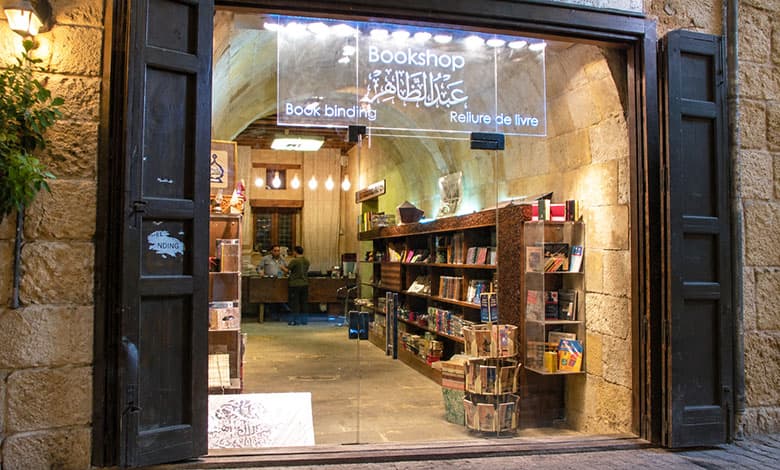
Tucked away behind Cairo’s Al-Azhar Mosque, Abdelzaher Atelier continues to preserve traditional movable-type printing and manual bookbinding. For four generations, this family business—one of the last standing traditional bookbinders in the Egyptian capital—has eschewed modern automated printing, opting instead to hand-assembled individual lead letters from drawers to print on paper.
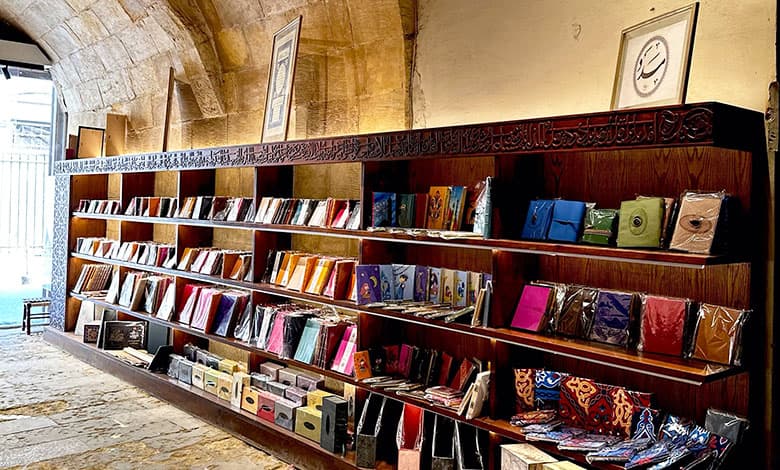
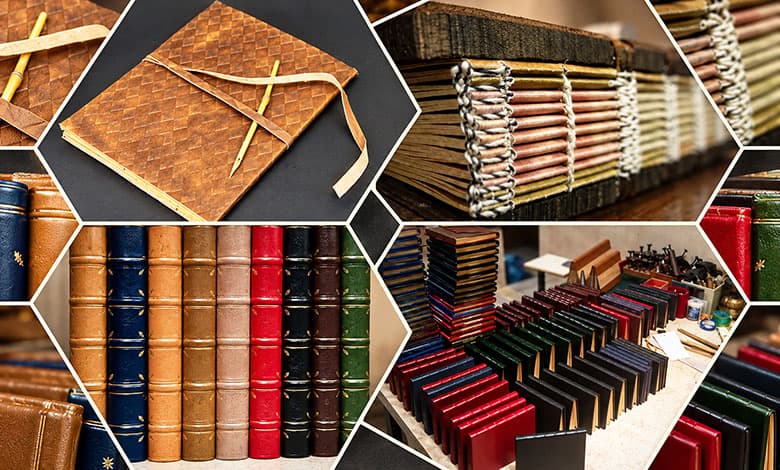
As the market for old books declined over time, Abdelzaher adapted to preserve its heritage. To sustain their profession and connect with modern audiences, the owners repurposed their inherited tools. They shifted their focus to the manufacture and manual binding of custom notebooks. These handcrafted journals featured natural leather in its various tanning grades, aged paper, and even brass locks for some of the notebooks. By offering personalised embossing—where customers can have names or phrases hand-printed using rare metal types—the workshop successfully established a meaningful connection with a contemporary audience that values the distinct feel and longevity of handcrafted products.
By maintaining these time-honoured techniques, Abdelzaher provides visitors with a tangible connection to the history of bookmaking. It highlights an era when pages were built letter by letter, showcasing the exceptional skill and patience required by traditional makers.
Evolution of Printing
Modern printing in Egypt evolved through distinct historical milestones. The practice was initially introduced during the French military campaign, followed by the creation of government-run printing houses under the rule of Muhammad Ali Pasha. Decades later, in 1936, the Abdelzaher Atelier was established behind the Al-Azhar Mosque, focusing specifically on bookbinding and publishing.
Abdelzaher’s original founder died at a young age, transitioning the leadership to his son, Muhammad Abdelzaher, who sustained and advanced the institution’s mission. Under his guidance, the workshop expanded its operations to incorporate the delicate restoration of antique texts alongside its standard printing and binding workflows.
Throughout its history, the facility handled highly significant historical and cultural manuscripts. The library also housed ancient copies of the Quran, a selection of which were later relocated and preserved within the Islamic Museum in Cairo.
Four Generations, Single Dream
Now entering its fourth generation, the family business relies on a shared commitment to preservation. Hind Abdelzaher, a computer science graduate, stepped in to help manage and develop the enterprise alongside her brothers following their father’s passing in 2014. Her eldest son Youssef represents the fourth generation of his family to enter the printing and book trade. His deep connection to his grandfather’s library began at the young age of seven. Under the guidance of his uncles, he learned the intricate crafts of bookbinding and the various tools of the trade.
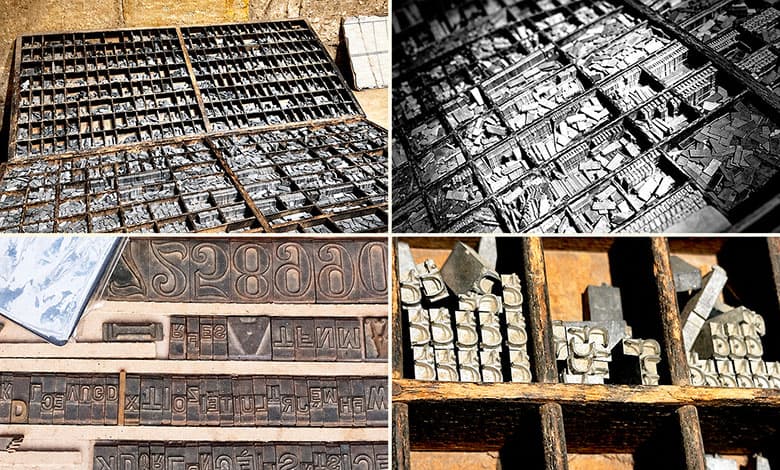
During his studies of the 28 Arabic letters, Youssef uncovered a remarkable historical collection within the library. This archive contains more than 360 unique letterforms, varying extensively based on their structural position within words and their designated printing style. The collection also includes specialised drawer sets holding Arabic, English, and Greek letters utilised specifically for traditional hand-printing.
Preserving these metal letter pieces is a vital and challenging responsibility. Since original manufacturers are scarce and raw materials are difficult to source, these components are nearly impossible to replace or recreate. Each individual piece holds immense value, as losing even one would disrupt the capability to print or restore specific historical texts.
Cultural and Artistic Endeavours
Beyond preservation, Abdelzaher has historically supported notable cultural and artistic endeavours. During the late 1990s, the workshop assisted the late actor Nour El-Sherif by sourcing rare books and historical manuscripts, which were subsequently bound in goatskin to match the precise aesthetic required for his projects. Additionally, the family contributed to the creation of a specialised guestbook for the Grand Egyptian Museum, which was used to preserve the signatures and statements of the distinguished guests who attended its opening ceremony. This massive, 1000-page commemorative volume required months of meticulous labour, specially aged paper to give an antique colour and texture, and desert goatskin from the oases, demonstrating that patient skill of manual bookmaking still holds a prestigious place in an increasingly digitised global printing and packaging market.
Source: Al Jazeera