

Syria Ramps Up Efforts to Deliver School Textbooks on Time

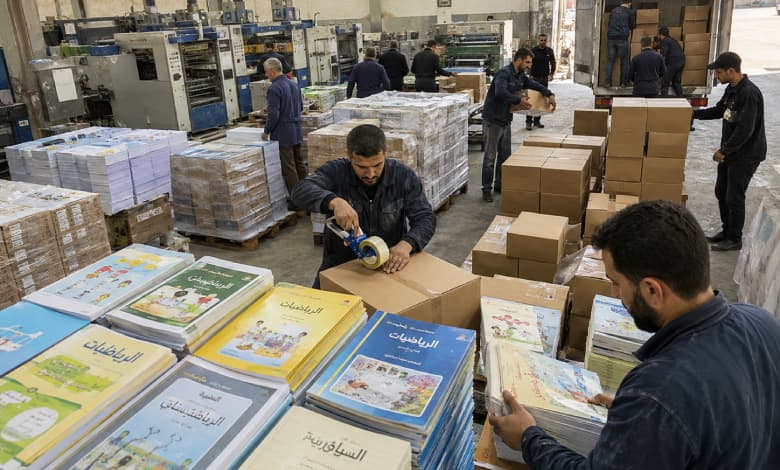
Textbook printing presses and warehouses across Syria are working around the clock to ensure educational materials are delivered to schools before the start of the new academic year. According to officials managing these operations, production lines are running continuously to complete the quantities allocated to various regional schools. The entire workflow follows strict protocols to maintain high-quality outputs while meeting tight distribution deadlines.
Production Process
The journey from digital files to ready-made books involves four distinct operational stages.
Preparation and Editing: The process begins with editing and colour adjustment. Teams prepare the content files received from central printing authorities before sending them to the printing stage.
Plate Preparation: Files are transferred to Computer-to-Plate (CTP) machinery. This equipment uses laser engraving to create master plates needed for printing presses.
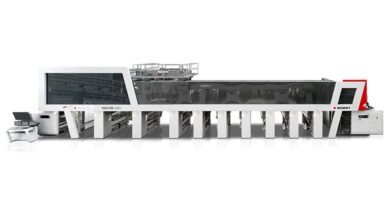
Printing: Large-scale machinery begins producing internal pages and outer covers. Continuous quality control checks are performed during this stage to make sure every book matches approved specifications.
Finishing and Packaging: Printed pages move to automated machines for folding, binding, cutting, and counting. Workers closely monitor these assembly lines as booklets are arranged, bound into single covers, and packed. A printing press supervisor stresses that human experience is essential for detecting errors and ensuring quality. Books pass through a three-sided cutting machine to trim the three sides. Books are then counted and packed in equal numbers to transfer them to the schoolbook warehouses.
Quality Control and Delivery
Before packages leave for transport, they must pass through rigorous quality inspections. Teams check printing accuracy, binding durability, and overall physical dimensions. Workers are operating up to 24 hours a day to handle the high volume of materials. Officials emphasise that while speed is necessary to complete quantities before school openings, maintaining precise quality and adhering to standard technical specifications remain the top priorities.




One Comment