From Pressroom to Print Solutions


Malek Mrad on Resilience, Training, and the Future of Offset Printing
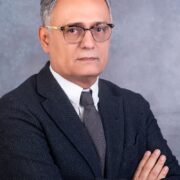
Malek Mrad’s journey through the printing industry reflects more than 25 years of hands-on experience, technical growth, and resilience in one of the region’s most challenging markets. From starting as a Heidelberg GTO 52 operator to managing full printing operations and later establishing himself in the printing materials and solutions sector through Lebanon-based Chemical Printing Materials (Chemitech), Mrad has witnessed the transformation of offset printing from traditional presswork to highly automated, technology-driven production. In this exclusive interview, he speaks to ME Printer about the evolution of offset printing, the impact of Lebanon’s economic crisis, the growing importance of technical training, regional market challenges, and why the future of print depends on knowledge, adaptability, and a new generation of skilled professionals.
You began your career as a Heidelberg GTO 52 operator and later managed complete printing operations. Looking back, what were the biggest turning points in your journey through the printing industry?
I believe growth is part of human nature, especially for someone ambitious like me. The company I worked for always kept up with new technologies and gave me every opportunity to gain experience, attend training courses, and move across different printing departments. These experiences played a major role in shaping my career and expanding my technical knowledge of the printing industry.
Having worked on machines from the SM102 to the XL106 LE-UV, how have you seen offset printing technology evolve over the last two decades?
The printing industry has changed dramatically since the early 2000s. Printing machines became much faster, more automated, and more efficient in production. Manufacturers also introduced advanced technological solutions that helped printers solve many of the daily challenges faced on press, making operations smoother and improving print quality and productivity.
Lebanon’s economic crisis forced many printing businesses to shut down or adapt. How did that period reshape your career and your perspective on the industry?
Despite the difficult economic situation in Lebanon, I decided to continue and grow within the same industry. During that period, I expanded my knowledge beyond production and learned more about sales and marketing in order to continue supporting the printing sector in both Lebanon and Syria. The crisis taught me the importance of adaptability and persistence.
After years in production, what motivated your transition into the printing materials and solutions sector through Chemitech?
I used my production experience not only to sell printing materials, but also to help customers understand the correct way to use them. This technical support created strong trust between us and the printing companies, and it encouraged many clients to continue working with both me and the company.
You introduced brands such as Böttcher, Teknova, Sava, and CITO into the Lebanese market. What opportunities did you identify for international suppliers in Lebanon and the wider region?
I had previous experience working with these international companies and understood which products were most suitable for the Lebanese printing market and local machine requirements. When I started my own business, I reconnected with them, and they welcomed the cooperation. I also stay in continuous contact with other suppliers to follow the latest developments in printing materials and bring suitable solutions to the market.
You recently started providing technical printing education and Heidelberg machine training. Why do you believe training and technical knowledge are becoming increasingly important in today’s printing market?
Of course, printing today requires both academic and technical knowledge before practical application on machines. Modern printing equipment has become highly advanced, especially with the integration of computerised systems, so continuous training and technical education are now essential for anyone working in this industry.
Many printing companies in the Middle East are facing rising costs, supply chain challenges, and currency fluctuations. How are these issues affecting printers in Lebanon and neighbouring markets today?
These challenges affect both sides—the printing houses and the suppliers. Rising costs and currency instability have caused a decline across the entire market, making it more difficult for companies to maintain stable operations and profitability.
Recent geopolitical tensions and developments across the Persian Gulf region have impacted logistics, raw material availability, and regional trade. Have these events affected your business operations or the printing market in Lebanon and Syria?
Yes, these geopolitical developments have affected many industries, especially printing across the Middle East. Countries that rely heavily on imported materials or shipping routes through the Gulf region have experienced delays, higher costs, and supply difficulties, which directly impact the printing sector in Lebanon and Syria.
With increasing uncertainty in the region, what strategies should printing companies adopt to remain stable and competitive?
At the moment, printing companies need to focus on reducing profit margins and supporting each other during these difficult times. It is also important to prioritise purchasing essential materials only and avoid unnecessary expenses until the market becomes more stable.
You are currently continuing your technical development with Koenig & Bauer training as well. After more than 25 years in the industry, what still motivates you to keep learning and evolving?
I am naturally ambitious and passionate about following the latest developments in the global printing industry. Since many companies in Lebanon and the region operate Koenig & Bauer machines, the company contacted me and I decided to receive training on their technology as well. This opens a new opportunity for me to support and connect with additional printing companies and clients.
Looking ahead, what is your vision for the future of the printing industry in Lebanon and the Middle East over the next five years?
As I mentioned in previous interviews, we need stronger support from both governments and private companies. We also need to change society’s perception of vocational and technical education and encourage the younger generation to enter industrial sectors, especially printing. Printing remains a vital industry with cultural, industrial, and marketing importance.
Finally, what message would you like to share with the younger generation entering the printing and packaging industry today?
My advice to the younger generation is to continue learning technical and industrial professions, especially printing. It is a very large and important field with many opportunities, and printing remains part of our daily lives in almost everything around us.