
Konica Minolta, MJ MATERIAL Unveil Intelligent Recycled Plastics

Konica Minolta has deepened its collaboration with Malaysia-based MJ MATERIAL TECHNOLOGY SDN BHD to launch a next-generation class of “intelligent recycled materials,” engineered for higher supply stability and uniform quality by integrating advanced sensing systems and AI-driven optimization. The two companies aim to commercialize these materials in fiscal year 2026, with production anchored at MJ MATERIAL’s upcoming Kuala Lumpur plant.
Konica Minolta and MJ MATERIAL are moving beyond traditional recycling by co-developing AI-enhanced recycled plastics designed to address one of the industry’s biggest bottlenecks: inconsistent quality caused by impurities and unpredictable feedstock. Today’s recycled plastics require high-purity waste streams, which are in short supply. This leads to variability during molding, more defects, and costly trial-and-error adjustments by engineers.
A New Production Model for Recycled Plastics
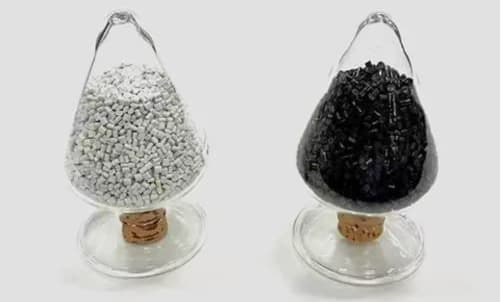
At MJ MATERIAL’s new facility—scheduled to open in spring 2026—the partners will use advanced sorting technologies to classify and purify plastic waste. On top of this mechanical foundation, Konica Minolta adds a proprietary AI-driven blending system that mixes waste plastic under optimal conditions. The result is a recycled polymer with performance characteristics approaching virgin-grade materials, while relying on a broader and cheaper range of waste inputs.
This approach could significantly stabilize the supply chain, reduce raw material costs, and make high-quality PCR (post-consumer recycled) materials viable for demanding industries like electronics, appliances, and automotive components—sectors where consistency and reliability are non-negotiable.
AI for Customer-Specific Molding Optimization
Konica Minolta will also apply its AI optimization model to refine molding conditions for each customer and product type. Instead of lengthy human-driven adjustments, AI can set parameters for mass production, even for geometries traditionally difficult to mold with recycled plastics. This could accelerate adoption among manufacturers that previously avoided PCR due to defect risks.
2026 Commercialization Plan
Beginning in 2026, MJ MATERIAL will produce and sell intelligent recycled materials to manufacturers across Asia, while Konica Minolta earns technology licensing fees. Both companies frame this partnership as a cornerstone of their sustainability strategies—Konica Minolta already incorporates up to 37% PCR material in its MFP systems and hopes to expand use of the new intelligent materials in future machines.
MJ MATERIAL’s upcoming 51,000 m² Kuala Lumpur site is expected to support an annual production capacity of 75,000 tons, providing the scale required to move recycled plastics into mainstream industrial use.
Why This Matters
- 1. AI is becoming a differentiator in recycling
Most recycled plastic quality issues originate from inconsistent feedstock. Konica Minolta’s sensing + AI blending is essentially a “quality equalizer,” allowing manufacturers to depend less on scarce high-grade waste. If successful, this will make recycled materials far more predictable and commercially attractive.
- 2. Cost and supply advantages will shift the market
By enabling the use of mixed-grade waste streams, the partnership reduces dependence on premium waste plastics. This could lower PCR prices, strengthen supply reliability, and make recycled plastics competitive against virgin resin even when oil prices fall.
- 3. Industrial adoption is the real win
Electronics and automotive brands want to meet ESG commitments, but inconsistent PCR quality has been a major hurdle. This “intelligent” approach directly addresses that barrier, potentially unlocking mass-market usage.
- 4. A blueprint for Asia’s recycling ecosystem
Locating production in Malaysia positions the project at the heart of Asia’s growing recycling infrastructure. With many global manufacturers operating in the region, the initiative could shape regional standards for recycled material quality.
What to Watch Next
Commercial validation: Customers must verify whether AI-optimized materials truly match virgin-grade performance in real-world manufacturing lines.
Scalability: Producing consistent material at 75,000 tons/year is ambitious. Success hinges on whether AI models remain accurate at industrial scale.
Environmental impact: If the system allows broader types of waste plastics to be used effectively, it could drastically increase recycling rates and reduce landfill volume.
Competitive response: This model sets a new benchmark. Other material companies—particularly in Japan, Korea, and China—may adopt similar AI-driven processes.