
Canon to Debut Groundbreaking Print Solutions at GPP 2025

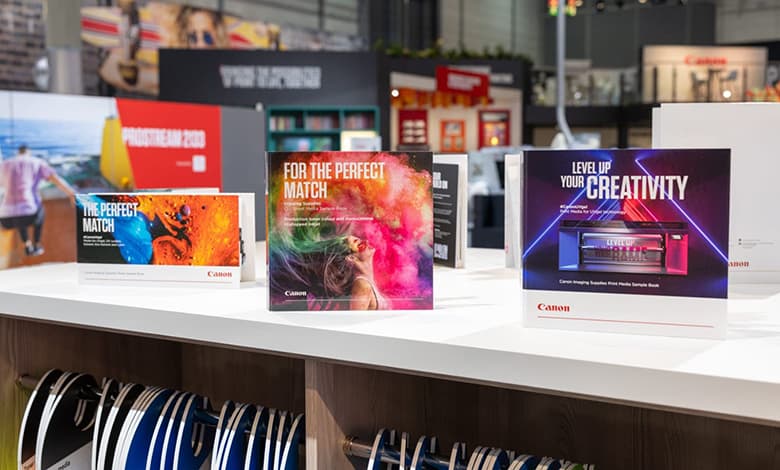
Technology giant Canon is set to debut two groundbreaking products at Gulf Print & Pack 2025, marking their first illustration in the Middle East.
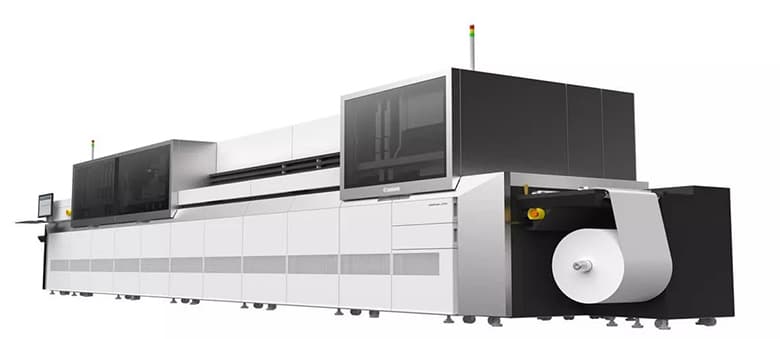
Canon’s LabelStream LS2000 and varioPRESS iV7 are designed to revolutionise the printing industry, addressing key trends and customer demands.
The LabelStream LS2000 is an advanced water-based inkjet label press that promises to redefine the food label market. Its innovative features include automated maintenance, high-speed 40 m/min performance with a maximum printing width of 340 mm, and unmatched versatility. Its unique inline conditioning liquid ensures optimal ink fixation on various media surfaces, achieving impressive colour development with five-colour (CMYK+White).
“As our first water-based inkjet label press, the LabelStream LS2000 will offer converters the reliable productivity and speed needed to meet their customers’ demands and, thanks to its versatility and expected food safety compliance, will allow them to diversify their offering,” says Jennifer Kolloczek, Senior Director, Marketing & Innovation at Canon EMEA.
In response to the growing demand for larger print formats to cover wider commercial print applications like packaging, the varioPRESS iV7 B2 sheetfed inkjet press offers high-quality, high-speed printing on a larger scale. It is designed to cater to businesses transitioning from traditional offset printing to digital solutions. It also addresses the rising demand for customised products and shorter print runs, offering efficient production with speeds of up to 8700 B2 4/0 sheets per hour without the setup times associated with traditional presses.
With a sheet size of up to 750 x 614 mm, the varioPRESS iV7 offers a B2+ production capability, enabling the profitable production of a diverse range of applications, from books, magazines, catalogues, and marketing collaterals to direct mail, postcards, and business cards. The press’ straight paper path and innovative fixation also allow reliable production on a wide range of coated and uncoated media, as well as selected paper boards.
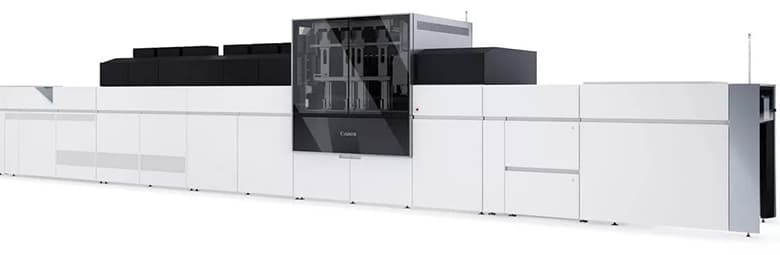
“The varioPRESS iV7 B2 sheetfed press addresses production challenges faced by printers, while opening up further application opportunities. It helps printers offload the more labour-intensive, short runs – currently printed on offset presses – to the most productive sheetfed inkjet press in the market without the need to change media or bindery set-ups as the B2 format is kept,” adds Kolloczek.
The inaugural edition of Gulf Print & Pack in Saudi Arabia will be held at Riyadh Front Exhibition & Conference Center (RFECC) from 14-16 January, 2025.