
BOBST oneECG Makes Gravure Shine with Metallised Colours

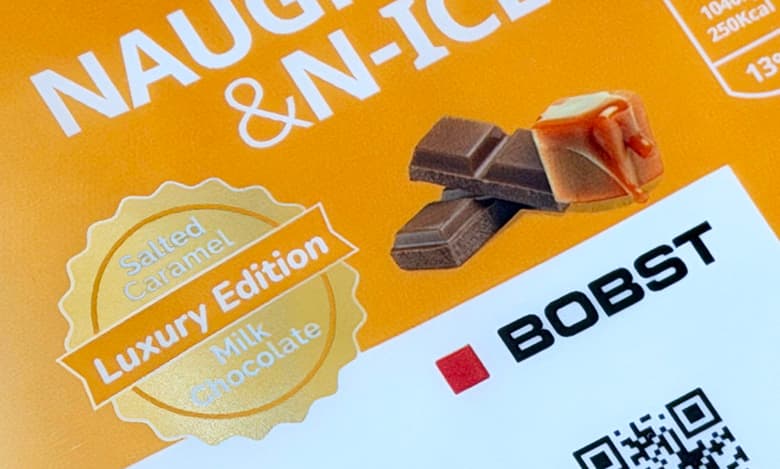
Adding a luxury look to flexible packaging, BOBST oneECG (Extended Color Gamut) for gravure includes the ability to print a wide range of metallic colours with a standard ink set. By removing the need for expensive metallic inks, the solution simplifies production, cuts cost, increases design flexibility, and supports sustainability goals.
Since introducing oneECG technology for gravure in 2019, BOBST has delivered multiple machines optimised for printing with a fixed set of inks. Today, converters are successfully using this approach to meet growing brand-owner demands for shorter runs, reduced waste, faster turnaround times, and higher colour stability and long-term colour consistency.
Thanks to the standardisation of the gravure printing process enabled by oneECG, converters can enjoy less complexity and higher process stability in packaging production. The concept entails a set number of standard inks that stay on the press between jobs, making set up and changeover a much more efficient and straightforward process.
By avoiding the use of spot or PANTONE colours, fewer cylinders are required to print the job and less ink is wasted, saving considerable costs, as well as time and energy. In addition, oneECG allows multiple SKUs and jobs to be printed across the same run, meaning converters can respond better to the trend towards shorter job lengths and more frequent design changes.
“The ECG process has gained considerable traction among European gravure printers over the past few years, because they recognise the crucial benefits this method brings to their business and the wider implications it has for the industry, and the environment,” says Davide Garavaglia, General Manager and Head of Product Lines Gravure, Vacuum Coating & Laminating, BOBST.
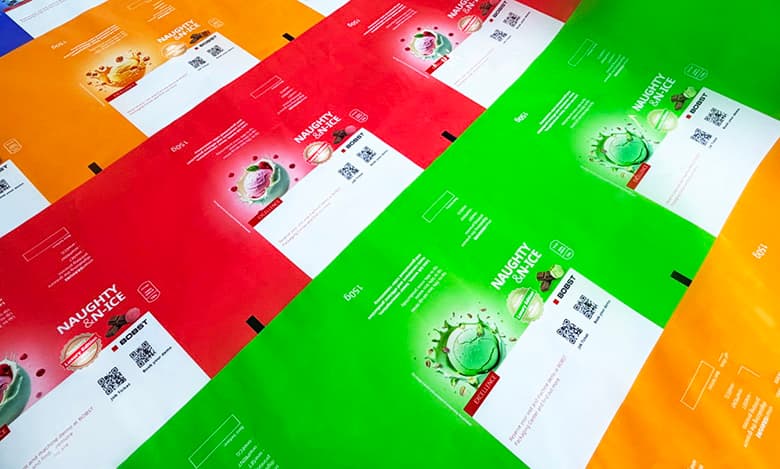
Luxury Finish with oneECG Metallic
Making oneECG for gravure an appealing prospect for brand owners in the luxury market, the solution enables converters to print metallised effects easily and cost-effectively. The first converter to realise the potential and adapt oneECG to metallics commercially was Italian flexible packaging company Poplast, with the introduction of its Pop7+1 solution. The market pioneer and flagship user has integrated oneECG on its BOBST gravure presses.
“At BOBST, we work closely with trailblazers such as Poplast to evolve the use of oneECG into all markets. We do this so our customers can respond effectively to current pressures, and we can safeguard the competitiveness of gravure for the future. One such evolution is printing metallised effects in a wide range of hues by using only process colours,” says Garavaglia.
Breaking Down Design Barriers
Metallic colours are widely used in packaging to create shelf standout and appeal, as they convey a sense of premium quality and luxury. These effects help brand owners differentiate their packaging and elevate the perceived value of the product among consumers. However, achieving the metallised look traditionally requires a separate spot ink for each hue. This drives up the cost and introduces limitations for designers who may have to scale back their vision or restrict the colour choices.
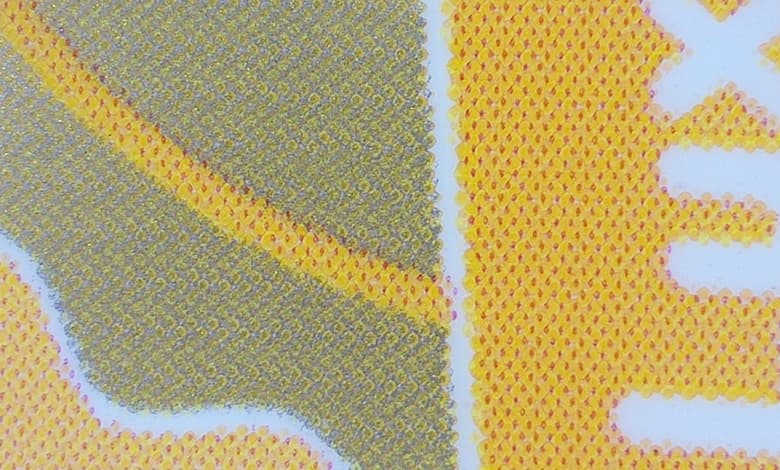
Thanks to oneECG for gravure, a broad spectrum of metallised effects in gold, silver, and bronze variants can be produced with a standardised ink set of process colours. With a whole palette of metallic shades to choose from, designers can easily create standout packaging without the cost escalating beyond budget.
Moreover, standard process inks can be reused across many jobs, unlike spot metallic inks which are typically mixed for one project. This complicates inventory and stock management, since each ink must be tracked and disposed of safely if not used within a relatively short space of time. The reusability of process inks in oneECG eliminates these problems, ensuring a more efficient and sustainable approach to printing metallic effects.
Speeding Up Workflow
Using oneECG for metallics also has a profound impact on production, creating a seamless and more efficient workflow. Instead of the traditional procedure where cylinders are changed between each job and expensive metallic inks flushed out, these shimmering shades can be matched digitally by the software in prepress and printed with the process inks already on press.
By minimising downtime and removing many of the human touchpoints in the workflow, oneECG offers converters more flexibility and an increased agility that enables them to respond to brand owners’ demands for shorter lead times. This competitive advantage is further elevated by the ability to print shorter job lengths of multiple SKUs in the same print run, even with metallic colours.
“In the digitalised oneECG system, almost all of the colour matching takes place in prepress. This ensures the highest level of consistency when jobs are repeated – whether printed on the same or a different press using oneECG. Furthermore, converters can confidently deliver flexible packaging with metallics at greater speeds, to that same high standard,” explains Garavaglia.
Lightening Environmental Load
The sustainability benefits of oneECG production in gravure are also a major driver of adoption. By reducing press stops and enabling faster changeovers, oneECG minimises idle time, drying cycles, and overall energy consumption. Eliminating frequent wash-ups further cuts solvent use, resulting in lower VOC emissions too.
Traditional metallic inks carry a significant environmental burden. By removing the need for all of these specialty inks, oneECG reduces raw material consumption and prevents build-up of large volumes of expired or wasted ink. At the same time, because fewer cylinders are required to print the job, this method also decreases resource and energy use, copper and chrome plating waste, and chemical usage at the engraving stage.
Making Gravure Smarter
Finally, it must be noted that the success of oneECG relies on BOBST’s advanced register and quality control technology, with high levels of automation and digitalisation ensuring perfect outcomes. In line with the company’s vision for the future of packaging production, oneECG forms the basis of BOBST’s smartGRAVURE concept – a comprehensive solution that elevates gravure printing to a highly productive and fully digitalised workflow.
“Nearly six years since BOBST first unveiled oneECG for gravure, we continue to develop this technology because we know that it represents the future of packaging production. oneECG is a particularly attractive proposition in gravure, as this print technology is facing strong competition from flexo. Enhancing its potential – such as offering the ability to reproduce metallic colours with greater ease, less waste and cost effectively – is crucial,” wraps up Garavaglia.