Carbon Balanced Paper has long been associated with publishing – books, magazines, and print media. But the role of paper has evolved and so can the opportunity to reduce its environmental impact.
Today, there are important applications for Carbon Balanced Paper in packaging – from folding cartons to e-commerce materials – where sustainability expectations are rising quickly and procurement decisions are under increasing scrutiny.
Packaging—Key in Sustainability Conversations
Packaging sits at the intersection of climate, materials, and consumer perception. It is visible, measurable, and increasingly tied to corporate sustainability commitments.
At the same time, demand for paper-based packaging continues to grow, driven in part by the shift away from plastics and the rise of e-commerce. According to the Food and Agriculture Organization of the United Nations (FAO), global paper and paperboard production has remained strong, supported by packaging demand even as other paper grades decline.
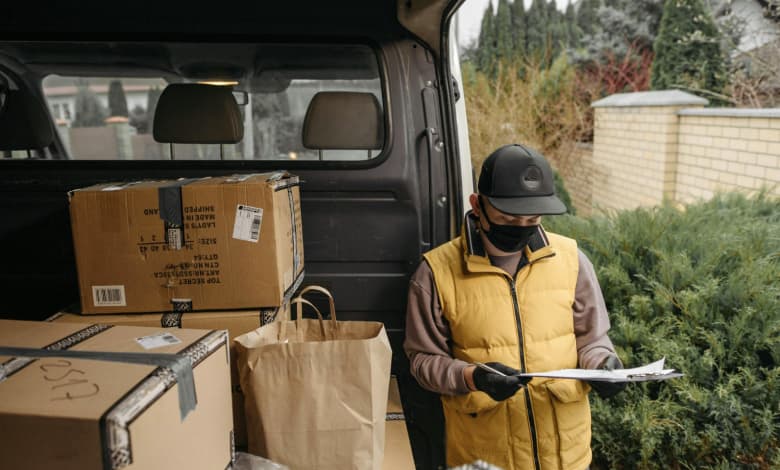
E-commerce is a major driver. The International Energy Agency (IEA) notes that growing online retail activity is increasing demand for packaging materials, particularly corrugated and paper-based formats.
This growth creates both an opportunity and a challenge because packaging is increasingly positioned as a lower-impact alternative to plastic, even though it still carries a carbon footprint tied to fibre sourcing, manufacturing, and transportation.
Climate Commitments Moving Down to Product Level
Many brands have made public commitments to reduce emissions, including Scope 3 emissions across their supply chains. For packaging buyers, this is where things become complex.
Packaging can be a significant contributor to product-level emissions, yet it is rarely addressed directly beyond general material choices.
Regulators are also raising expectations around environmental claims. Authorities such as the Competition Bureau Canada and the Federal Trade Commission (FTC) emphasise that environmental claims must be substantiated, specific, and supported by evidence, not broad or implied.
This is changing the conversation from “sustainable packaging” as a concept to measurable environmental performance at the product level.
Where Carbon Balanced Paper Fits in Packaging
Carbon Balanced Paper provides a practical way to address the carbon footprint of paper-based packaging without requiring changes to materials, suppliers, or production processes.
The model is straightforward. The carbon footprint of packaging projects is calculated using recognised methodologies and subsequently balanced through the protection and restoration of high-value forests via World Land Trust (WLT) – an international conservation charity that protects the world’s most biologically significant and threatened habitats. This streamlined approach produces a traceable, verified climate contribution tied directly to the packaging being produced.
These are not abstract offsets. Projects supported through WLT focus on the permanent protection of threatened ecosystems, preserving biodiversity while preventing the release of carbon stored in forests. To date, WLT and its partners have helped protect millions of acres of threatened habitat globally, supporting both climate and biodiversity outcomes.
Practical Step for Packaging Buyers
Sustainability in packaging is often framed as a choice between materials, formats, or suppliers. Those decisions remain important, but they are not always enough on their own.
Carbon balancing your paper-based packaging provides an additional benefit by directly addressing its carbon impact, while supporting forest conservation and biodiversity protection.
For packaging buyers, this means aligning packaging decisions with corporate climate goals while adding measurable environmental value to existing materials. This approach strengthens the credibility of sustainability claims and ensures a direct contribution to tangible, long-term conservation outcomes.
Packaging Has a Role to Play
Packaging is not just a cost centre or a compliance requirement. It is a visible part of a brand’s environmental footprint – and an opportunity to demonstrate progress.
Carbon Balanced Paper extends that opportunity beyond publishing and print into one of the fastest-growing segments of the paper industry. And as expectations around transparency, verification, and climate accountability continue to increase, packaging decisions will carry more weight.